

The Dark Side of the Pokémon Card Boom: Why Theft Is Rising
The Pokémon card boom we all watched happen
What started as nostalgia quietly turned into something much bigger.
During the pandemic, people came back to Pokémon cards for comfort. Ripping packs, chasing childhood memories, reconnecting with something familiar. But then… the momentum didn’t stop.
Social media began pouring gasoline on it. Suddenly, everyone was watching live breaks, posting hits, and showing off collections. Big names entered the space, and the hobby went mainstream in a way it never had before.
One of the biggest moments came when Logan Paul made headlines for purchasing the iconic Pikachu Illustrator card. The $5.275 million dollar investment wasn’t only a record-breaking amount for the industry—it was a signal. Pokémon cards weren’t just collectibles anymore… they were becoming assets.
At the same time, grading companies like PSA, BGS, and CGC exploded in popularity. What used to feel like a childhood hobby started to feel a lot more like an investment market.
And that’s where things quietly shifted.
Because when something becomes valuable… it also becomes vulnerable.
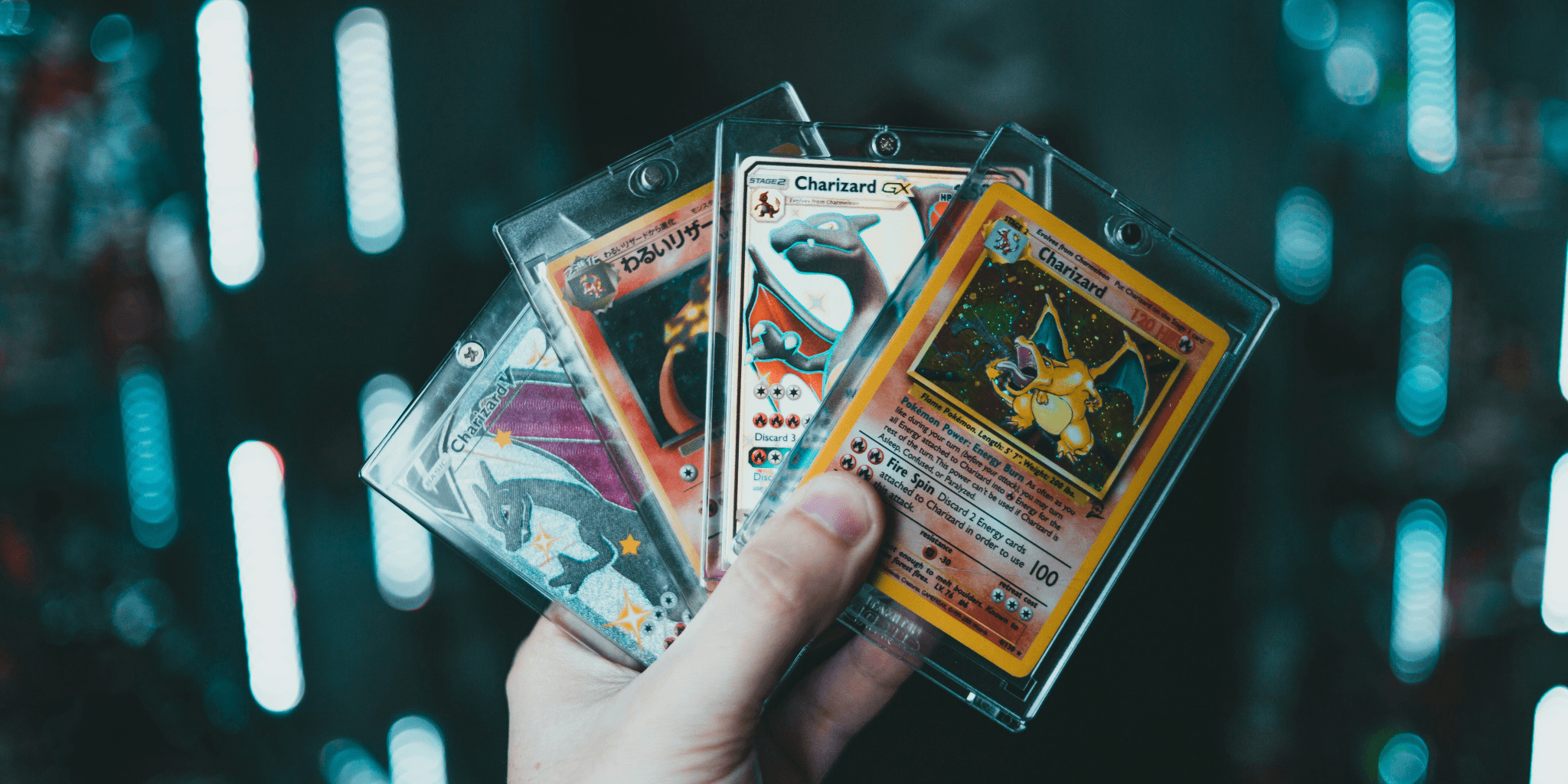
Why Pokémon Cards Are Suddenly a Target
Here’s the uncomfortable truth: Pokémon cards are the perfect target.
Small.
Valuable.
Easy to move.
A single graded card can be worth more than a luxury watch and still fit in your pocket. No alarms. No tracking. No heavy lifting.
But it goes deeper than that.
Unlike traditional high-value assets, Pokémon cards don’t come with built-in ownership systems. There’s no title, no registry, no universal way to prove who owns what. Once a card is in someone else’s hands, it can be incredibly difficult to trace.
And then there’s liquidity.
There are always buyers. Whether it’s a collector chasing a grail, a reseller looking for margin, or someone new entering the hobby, demand is constant. That means stolen cards don’t just sit, they move.
Sales are fast. Deals happen in DMs, at shows, or in Discord servers within minutes. Speed makes it easy for a stolen card to be sold for profit before anyone even realizes they’re gone.
This combination has quietly created something the hobby never really had to deal with before: real financial crime risk.

Where Theft Is Actually Happening
The biggest hotspot of where this is happening are at card shows and conventions. There’s a lot of inventory, a lot of people, and a lot of distraction. Then there are trade nights, cards get passed around, conversations happen, and all it takes is one moment for something to disappear.
Card shops aren’t immune either. In one case, over $100,000 worth of Pokémon cards were stolen from a New York City store, The Trainer Court. Authorities described the robbery as a coordinated incident that involved multiple individuals. According to reports, the group worked quickly and targeted high-value merchandise. The group showed how fast something like this could happen.
Even online spaces have risks. Scams, fake listings, and misrepresented cards are being seen by collectors more often as the market continues to boom. With so much activity, trust is often assumed instead of verified. And with a fast-moving market, that assumption can be costly for buyers.
Across all of these environments, the risk often doesn’t feel obvious—it feels normal. Whether it’s a show, a trade night, a shop, or an online deal, these are the same spaces that make the hobby enjoyable. And as the hobby grows, being more aware in these moments becomes one of the most important ways collectors can protect themselves.
How Stolen Cards Come Back
Stolen cards don’t disappear, they reenter the market through private sales, social media, and collector communities.
Most of the time, they don’t look suspicious at all. The slab has been authenticated with a third-party grading company, everything checks out. To the average buyer, it looks like any other legitimate card. That’s what makes it so difficult to catch.
Sometimes the only difference is the price. A slightly better deal, a quick sale from a seller who wants to liquidate fast. With a market where people are always chasing the next popular card, that urgency feels normal. So collectors continue to buy most times without realizing the risk.
That’s what makes this problem so tricky. It’s not just theft, it’s how invisible it becomes afterward. Without a clear way to track or flag stolen cards, the market has no record or history. Stolen cards will continue to keep moving just like any other card if there’s nothing in place to identify them as stolen.
Where Kapture Comes In
Kapture provides a community-built database to track stolen graded cards using their certification numbers. Instead of this information being isolated to social media posts, Kapture creates a single place where collectors can log stolen cards and check them before making a purchase.
Kapture gives the community what has been missing in the hobby until now, an extra step of validation. Currently, the industry has a strong system for proving if a card is real, but not for proving where it came from. Kapture doesn’t replace grading companies or marketplaces, it simply compliments them by adding an extra layer of transparency around ownership.
At its core, Kapture works best when the community is involved. The more collectors contribute, the more layers of visibility are created to make it harder for stolen cards to move back into the market.
The hobby isn’t slowing down any time soon, so we as passionate collectors need to protect the space that brought us here in the first place. This isn’t about cardboard anymore, it’s about trust and the people who make the space what it is.